
M40 SDC Data Centre Explained ... why you should care
What Is Being Proposed?
The Applicant is seeking consent for a major hyperscale data centre campus at the Wapseys Wood landfill site. The proposal includes three interconnected components:
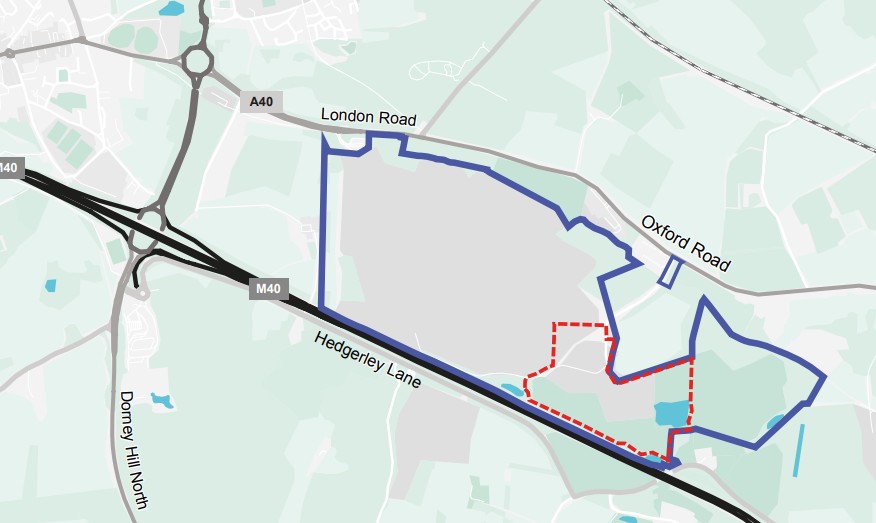
Data Centre Campus
-
Up to three hyperscale buildings
-
Approx. 300MW IT load (100MW each)
-
Up to 240,000 sqm floorspace
-
Air‑cooling infrastructure
-
Part of the Slough Availability Zone
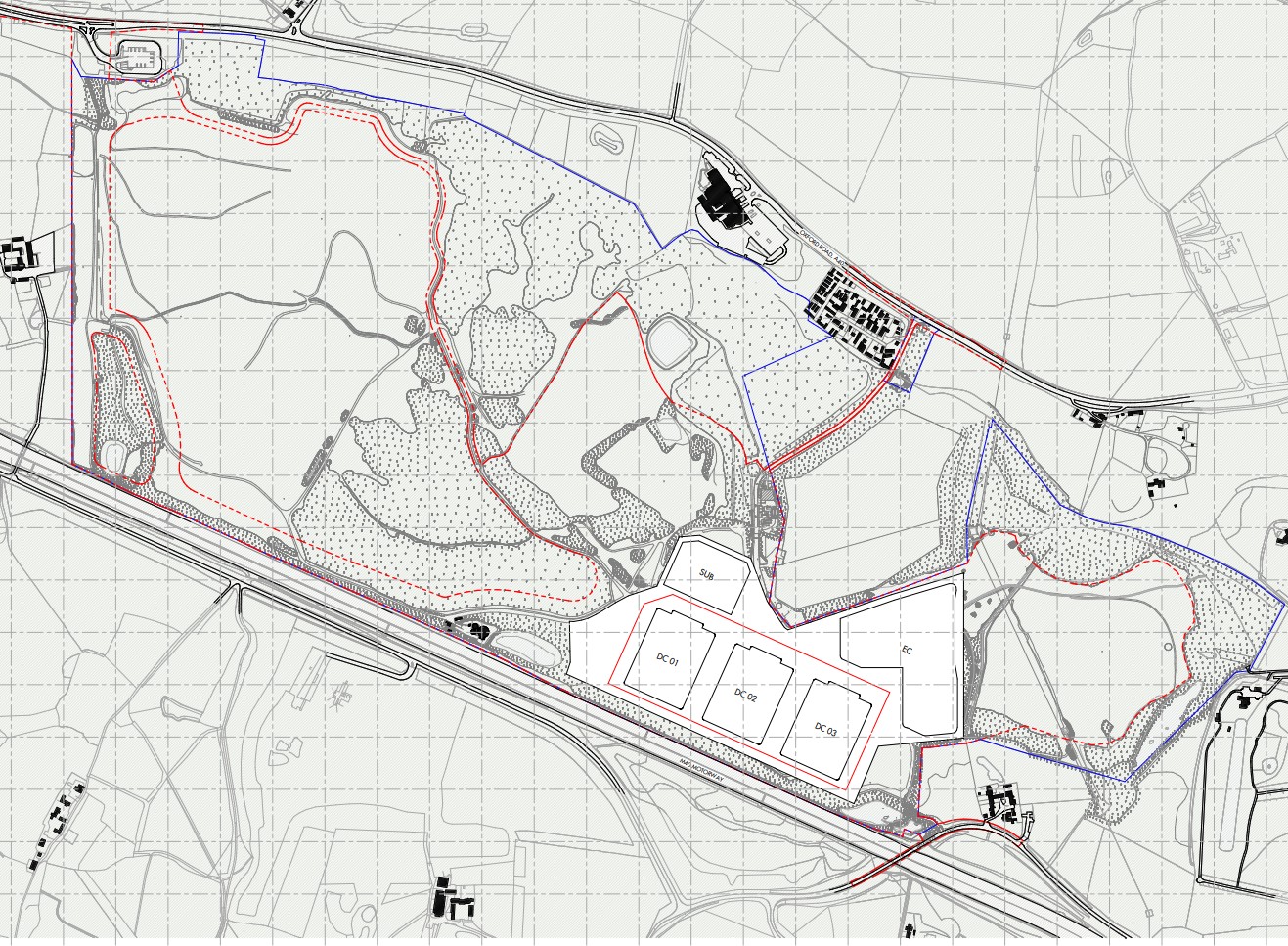
On‑Site Energy Centre
-
Gas‑fired power station
-
270–350MW generating capacity
-
Uses existing high‑pressure gas pipeline
-
Intended as the primary power source
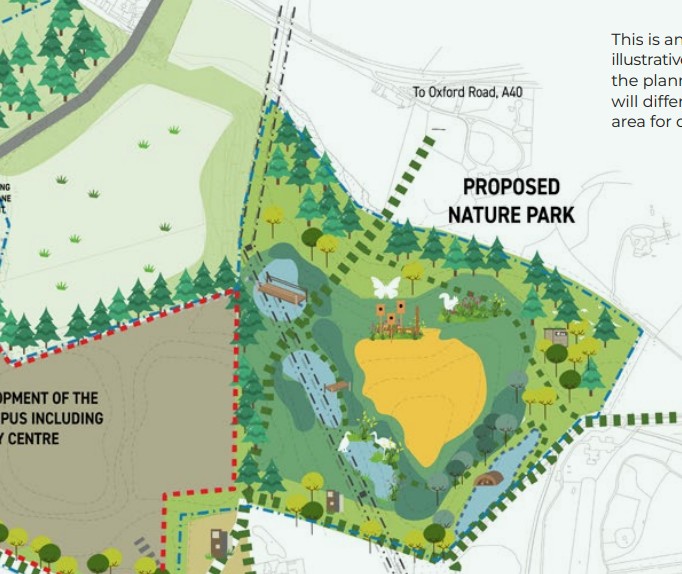
Associated Development
-
Substations and transformers
-
Cooling plant
-
Internal roads and security
-
Construction compounds
The Applicant, Slough Holdings UK Ltd, is seeking a Section 35 Direction so the entire scheme can be authorised through a single Development Consent Order (DCO).
Why the Applicant Says This Site Is Suitable
According to the Section 35 Request, the Applicant argues that:
-
The site lies within the Slough Availability Zone
-
The UK faces “overwhelming demand” for new hyperscale capacity
-
The project would deliver ~5% of the UK’s forecast need over five years
-
The investment is valued at £2bn
-
Around 400 jobs would be created
-
The data centre and energy centre are “functionally interdependent”
Why GXCG Believes This Site Is Not Suitable
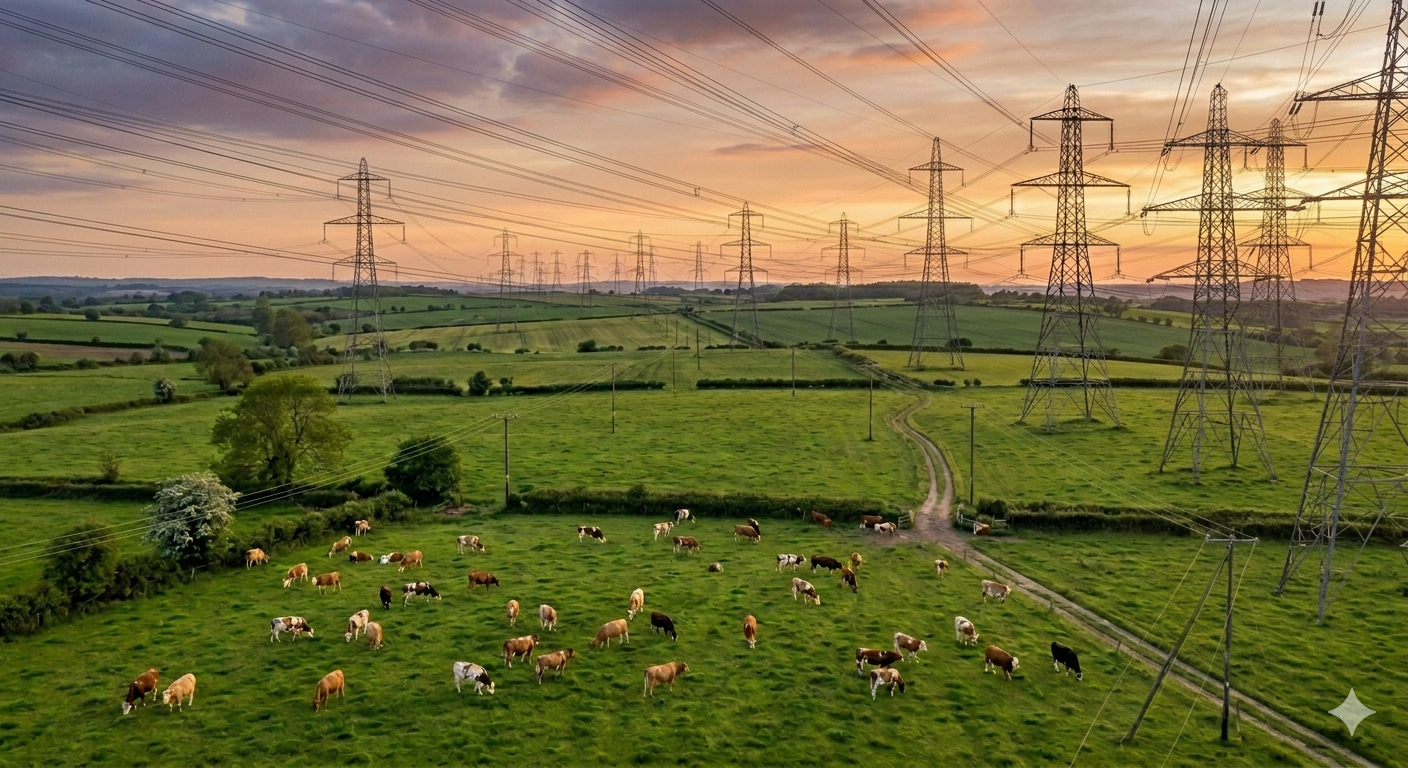
Severe Electricity Grid Constraints
The Applicant confirms that no viable grid connection exists until at least 2030. This is why the project relies on a private gas‑fired power station. Modern hyperscale operators typically choose sites with strong grid availability. Here, the absence of grid capacity is a fundamental site weakness.
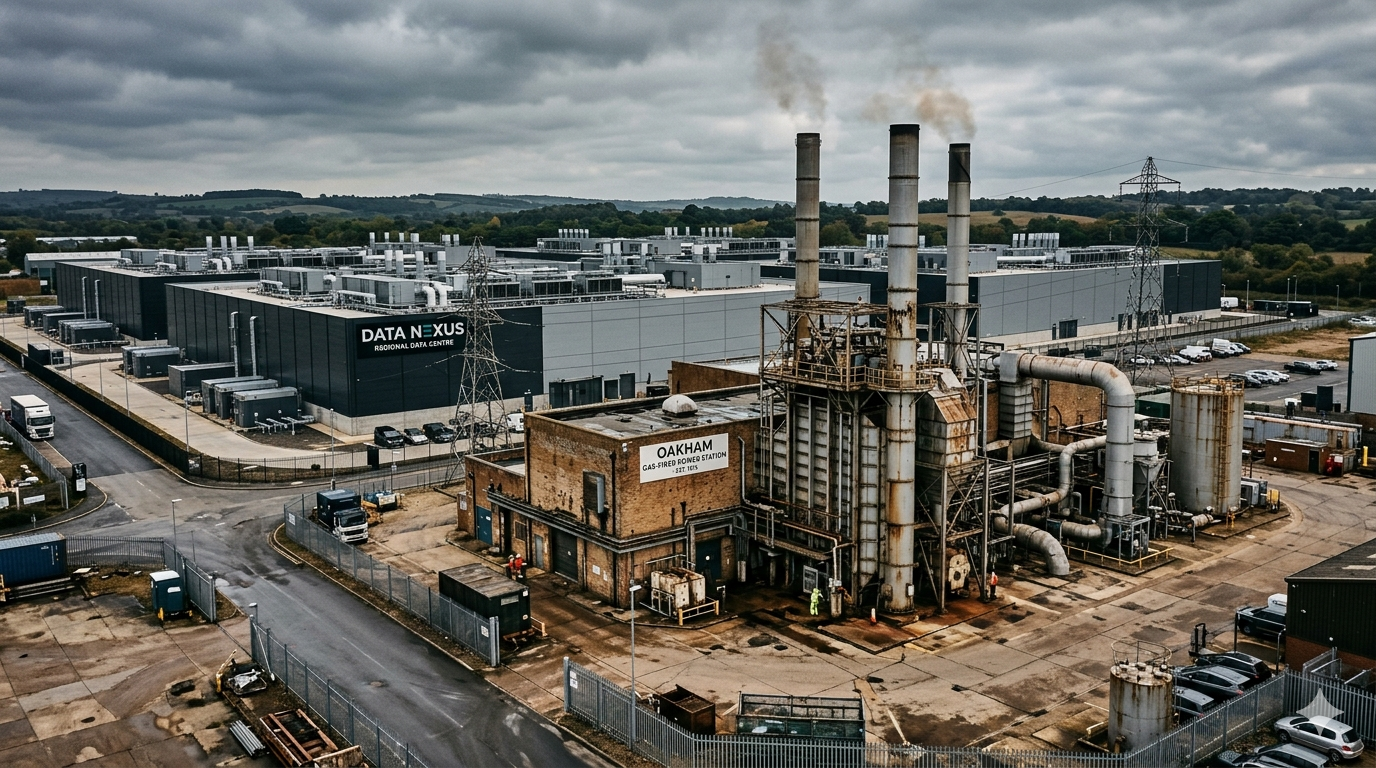
Powered by Fossil Fuels
The proposal depends on natural gas as its primary power source. The “decarbonisation‑ready” claim relies on future hydrogen infrastructure that:
-
Is not funded
-
Is not committed
-
Has no route to the site
-
Would require a new connection to a pipeline ~35km away
This means the project would rely on fossil fuels for many years.
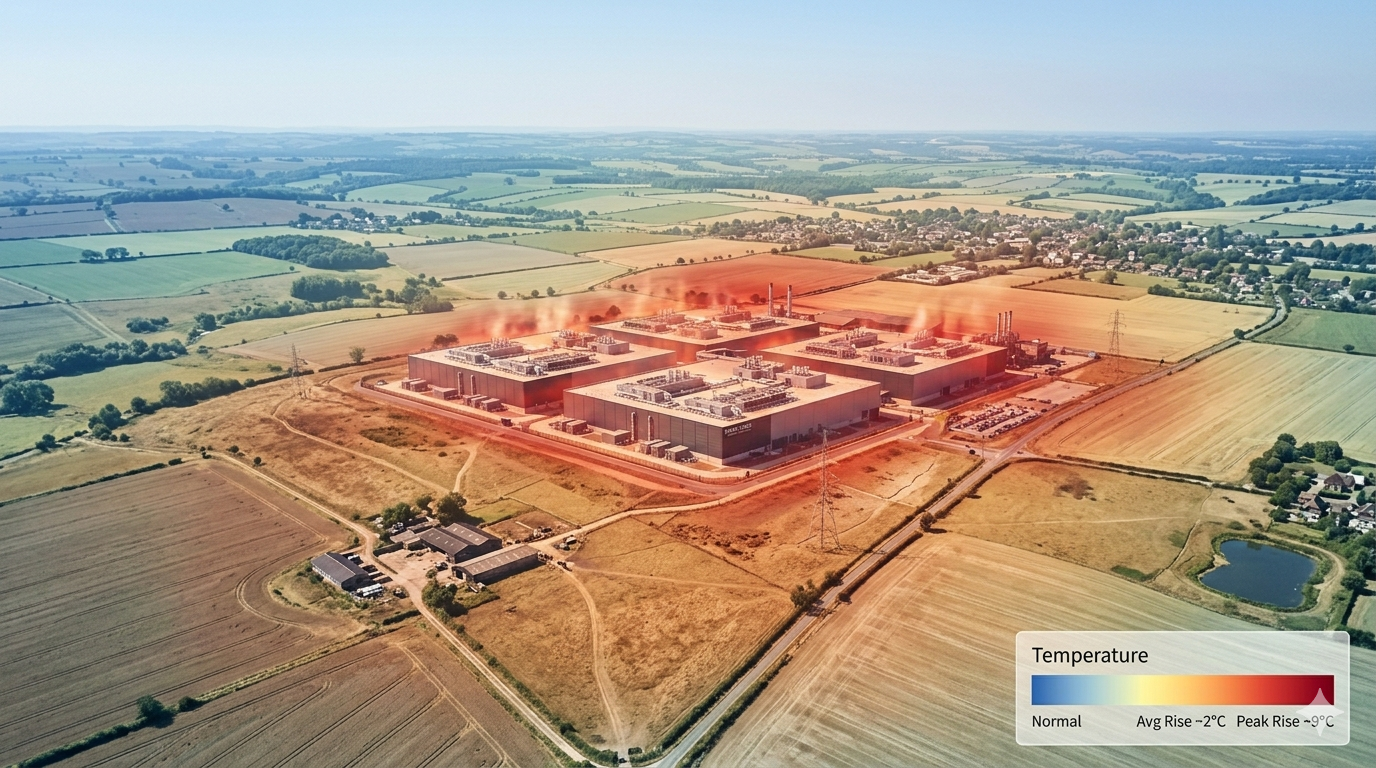
Risk of “Data Centre Heat Island” Effects
Large hyperscale data centres release significant volumes of warm exhaust air. Emerging research shows this can create localised warming effects. The M40 SDC proposal uses air cooling, which rejects heat into the local environment. Given the site’s enclosed woodland edges, this raises concerns about:
-
Microclimate changes
-
Wildlife impacts
-
Human comfort
-
Air quality interactions
These issues are not fully assessed by the Applicant.
Summary
The M40 SDC proposal is one of the largest data centre schemes ever proposed in the UK. However, the site suffers from:
-
Major grid constraints
-
Dependence on fossil fuel power
-
Unproven hydrogen conversion plans
-
A 35km gap to the nearest proposed hydrogen backbone
-
Potential heat island effects
GXCG believes that better‑suited sites exist, including those identified by Government as AI Growth Zones, where grid capacity, cooling conditions, and energy strategy are aligned with modern hyperscale requirements.